
"coffee shortage"
3000 article(s) found

Boutique Coffee Coffee Origin Haiti
Despite well-known problems and fluctuating coffee quality from politically troubled lands, Haiti is still trying to produce some high-quality coffee. Most of the coffee produced in Haiti is grown in pure natural form, which is not intentional but the result of material shortage, because farmers are too poor to buy sterilization.

Global Coffee producing area in Nicaragua
In many countries, coffee production has been seriously affected for political reasons. Nicaraguan coffee industry is no exception. The 1979 revolution forced coffee planters to flee to Miami. A period of indecision followed, when the government considered whether to redistribute land, including many plantations, which led to a shortage of coffee and a decline in production. Niagara
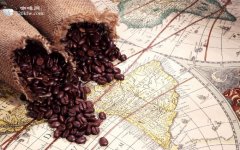
Boutique coffee beans knowledge coffee producing area Haiti
Despite well-known problems and fluctuating coffee quality from politically troubled lands, Haiti is still trying to produce some high-quality coffee. Most of the coffee produced in Haiti is grown in pure natural form, which is not intentional but the result of material shortage, because farmers are too poor to buy sterilization.

Global Coffee producing area in Haiti
Despite well-known problems and fluctuating coffee quality, Haiti (Haiti) is still trying to produce some high-quality coffee. Coffee producing area in Haiti: the main coffee growing area in Haiti is in the north of the country. Most of the coffee produced in Haiti is grown in a purely natural state, which is not intentional but the result of material shortage.

Boutique Coffee Bean Manor introduction-- Haitian Coffee Origin
Despite well-known problems and fluctuating coffee quality from politically troubled lands, Haiti is still trying to produce some high-quality coffee. Most of the coffee produced in Haiti is grown in pure natural form, which is not intentional but the result of material shortage, because farmers are too poor to buy sterilization.

Salvadoran coffee features Salvadoran coffee flavor
In the early 1990s, guerrilla warfare greatly damaged the country's national economy, reducing coffee production from 3.5 million bags in the early 1970s to 2.5 million bags in 1990-1991. The eastern part of the country was most affected by guerrilla warfare, and many farmers and workers were forced to leave the manor. The shortage of funds has led to a sharp drop in coffee production, from 1200 kg per hectare in the past to no yield per hectare today.
Haiti, the Global Coffee producer
Despite well-known problems in Haiti, the world's coffee producer, and the quality of coffee fluctuates from time to time, Haiti is still trying to produce some high-quality coffee. Most of the coffee produced in Haiti is grown in a purely natural state, which is not intentional but the result of material shortage, because farmers are too poor to buy fungicides, insecticides and chemicals.
Coffee producing area-Haiti
Despite well-known problems and fluctuating coffee quality from politically troubled lands, Haiti is still trying to produce some high-quality coffee. Most of the coffee produced in Haiti is grown in a purely natural state, which is not intentional but the result of material shortage, because farmers are too poor to buy sterilization.
Start with Coffee beans (8)-- America-Haiti
Despite well-known problems and fluctuating coffee quality from politically troubled lands, Haiti is still trying to produce some high-quality coffee. Most of the coffee produced in Haiti is grown in pure nature, which is not intentional but the result of material shortage, because farmers are too poor to buy fungicides.
The quality of coffee fluctuates from time to time in Haiti
Despite well-known problems and fluctuating coffee quality from politically troubled lands, Haiti is still trying to produce some high-quality coffee. Most of the coffee produced in Haiti is grown in a purely natural state, which is not intentional but the result of material shortage, because farmers are too poor to buy sterilization.
Haiti Haiti recommended by countries producing boutique coffee beans
Despite well-known problems and fluctuating coffee quality from politically troubled lands, Haiti is still trying to produce some high-quality coffee. Most of the coffee produced by Haidi is grown in a pure natural state, which is not intentional but the result of material shortage, because farmers are too poor to afford to kill.
Coffee beans in America and Haiti
Despite well-known problems and fluctuating coffee quality from politically troubled lands, Haiti is still trying to produce some high-quality coffee. Most of the coffee produced in Haiti is grown in pure nature, which is not intentional but the result of material shortage, because farmers are too poor to buy fungicides.

The quality of Haitian coffee fluctuates from time to time.
Despite well-known problems and fluctuating coffee quality from politically troubled lands, Haiti is still trying to produce some high-quality coffee. Most of the coffee produced in Haiti is grown in a purely natural state, which is not intentional but the result of material shortage, because farmers are too poor to buy sterilization.

The main coffee growing area in Haiti is in the north of the country.
Despite well-known problems and fluctuating coffee quality from politically troubled lands, Haiti is still trying to produce some high-quality coffee. Most of the coffee produced in Haiti is grown in pure nature, which is not intentional but the result of material shortage, because farmers are too poor to buy fungicides.
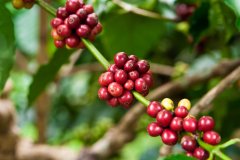
Haitian coffee is full-grained, rich in flavor, medium to low acidity and mild in taste.
Despite well-known problems and fluctuating coffee quality from politically troubled lands, Haiti is still trying to produce some high-quality coffee. Most of the coffee produced in Haiti is grown in a purely natural state, which is not intentional but the result of material shortage, because farmers are too poor to buy sterilization.

Haitian coffee has full grains, rich flavor, medium to low acidity and mild taste.
Despite well-known problems and fluctuating coffee quality from politically troubled lands, Haiti is still trying to produce some high-quality coffee. Most of the coffee produced in Haiti is grown in a purely natural state, which is not intentional but the result of material shortage, because farmers are too poor to buy sterilization.
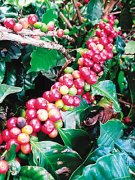
Haitian coffee has full grains, rich flavor, medium to low acidity and mild taste.
Despite well-known problems and fluctuating coffee quality from politically troubled lands, Haiti is still trying to produce some high-quality coffee. Most of the coffee produced in Haiti is grown in a purely natural state, which is not intentional but the result of material shortage, because farmers are too poor to buy sterilization.

Cleaning instructions for Merlot Coffee Machine 960
Melaleuca Coffee Machine 960 cleaning instructions 1. This Merlot coffee machine can adjust the height of the coffee outlet, up to 135mm. Two. Merlot's new machine has three functions of adjustable coffee concentration. Three. Removable water tank 1.2 with automatic detection of water level function, in order to better avoid water shortage. 4. The machine is equipped with CLARIS water purification filter element, which can

El Salvador coffee origin producing area
In the early 1990s, guerrilla warfare greatly damaged the country's national economy, reducing coffee production from 3.5 million bags in the early 1970s to 2.5 million bags in 1990-1991. The eastern part of the country was most affected by guerrilla warfare, and many farmers and workers were forced to leave the manor. The shortage of funds has led to a sharp drop in coffee production, from 1200 kg per hectare in the past to no yield per hectare today.